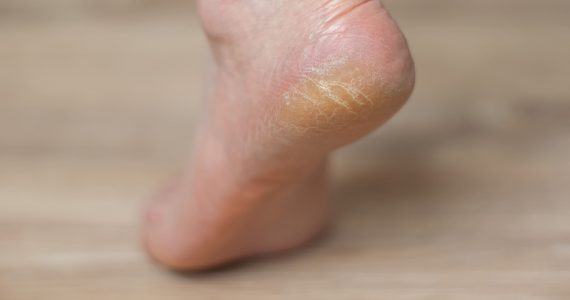

Podiatric care for the diabetic foot is not an optional service, but rather necessary when handling this condition. The foot of a person living with diabetes is exposed to neuropathy, circulatory problems and skin fragility: a combination that significantly increases the risk of injuries, infections and, in the most severe cases, amputations. This is why a podiatrist should be included permanently in the care pathway, on a par with other routine check-ups.
The podiatric visit as prevention: identifying early warning signs
During a visit, the podiatrists do far more than simply “sort out the feet” — they carry out a genuine preventive work. They identify calluses in areas of abnormal pressure, small skin fissures, toe deformities, thickened nails and changes in skin appearance. These are signs that patients often overlook, yet they represent important red flags. Acting at this stage allows, for example, to significantly reduce the risk of a minor lesion turning into a difficult-to-treat ulcer.
Foot health education: healthy habits and informed choices
Another cornerstone of podiatric care is empowering patients to manage their own foot health. Many complications arise from everyday mistakes: walking barefoot, wearing shoes that are too tight, cutting nails incorrectly, or applying do-it-yourself remedies to corns or verrucas. The podiatrist helps patients recognise these risks, teaches them how to inspect their feet daily, how to properly dry the spaces between the toes, and when it is time to seek professional attention — preventing the problem from getting worse.
Home routine: continuity of care with products specifically designed for the diabetic foot
To maintain continuity between clinic appointments, following a simple but targeted home care routine is essential. Products dedicated to diabetic foot health — such as cleansers and emulsions — respect and support the skin’s physiological balance, strengthen the hydrolipidic barrier and help prevent infections. It is important to choose formulations with emollient, antioxidant and restructuring properties, to prevent excessive dryness and quickly reduce irritation. Fast-absorbing textures encourage consistent application and better adherence to the specialist’s recommendations.
The benefit extends beyond the foot itself. Pain, difficulty walking and fear of complications often lead people to reduce physical activity, with knock-on effects on overall wellbeing. Taking care of your feet therefore means protecting your mobility, independence and quality of life.
Regular podiatric check-ups and a proper foot care routine are not optional extras — they are concrete tools aiming at diabetes prevention. Trusting a podiatrist and using appropriate products every day, chosen with their guidance, means investing in your own health and reducing the risk of future complications.