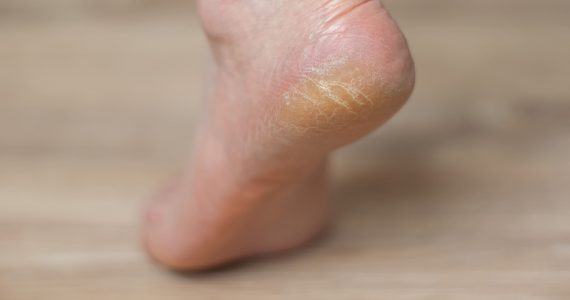

Often, we notice the problem too late: a nail changing color, thickening, or flaking. Or a persistent itch between the toes, with skin peeling and cracking for no apparent reason. Two of the most common fungal infections affecting the foot lie behind these signs.
Onychomycosis affects the nails, causing discoloration (yellow, white, or brown), irregular growth, and brittleness. Tinea pedis, commonly known as athlete’s foot, attacks the plantar and interdigital skin, causing erythema, maceration, and intense itching.
Both conditions are favoured by heat, humidity, and swimming pools or locker rooms attendance. Those at risk include not only athletes, but also individuals wearing occlusive footwear for many hours a day, and those suffering from diabetes, vascular problems, or immunosuppression: all factors that weaken the skin and nails natural defences, making them a breeding ground for fungi.
Ignoring the problem won’t solve it
The most underestimated fact is how much these infections, if neglected, can affect daily activities. A fungal nail is not just an aesthetic issue: it causes local irritation, altered sensitivity, and pain when walking and wearing shoes.
Similarly, untreated tinea pedis tends to spread from the interdigital area to the entire sole of the foot. This process paves the way for bacterial superinfections and, for those who practice sports, translates into a tangible loss of athletic performance and comfort.
The importance of continuous prevention
During summer months, heat, high humidity, and frequenting crowded environments significantly increase the risk of contracting fungal infections. Proper prevention and careful daily management become essential steps in preserving foot health. Adopting a targeted podiatric routine, based on simple rules and the use of specific active ingredients, represents the best line of defence to face the hot season in total safety.
The ten anti-mycosis rules
- Observe
Inspect your feet skin and nails every day to promptly identify any changes in appearance, thickness, or color.
- Cleanse
Wash your feet regularly, especially after sports activities or the prolonged use of closed shoes, using a specific cleanser with an astringent, fungistatic, and normalizing action.
- Dry
Carefully dry your skin, particularly between your toes, and change your socks when damp. If you suffer from excessive sweating, consider an anti-maceration podiatric routine.
- Trim
Trim your nails correctly to prevent microtrauma: avoid rounding the corners too much and maintain a functional length (neither too long nor too short).
- Protect
In shared showers, locker rooms, and swimming pools always wear slippers. Let your shoes dry between uses and apply an absorbent powder to the areas most prone to moisture, especially between the toes and on foot sole.
- Choose
Opt for comfortable shoes and breathable socks to promote ventilation and reduce friction during hot summer days.
- Do not share
Use exclusively your personal towels, footwear, and nails clipping to avoid the risk of transmitting fungi and bacteria.
- Do not rip
Avoid aggressively removing cuticles and skins. If you suffer from an ingrown toenail, apply a specific protective nail gel to soothe irritation and prevent infections.
- Strengthen and support
Support the health of the peri- and subungual areas with specific drop formulations. Use hydrating and emollient drops for skin thickenings, and solutions promoting the nail trophism and functional balance.
- Inform
If you notice suspicious symptoms, always consult your trusted Podiatrist for professional advice on how to intervene and support your feet health.