
With the transition to spring and summer, foot skin is exposed to environmental conditions that increase stress and cutaneous reactivity: UV radiation, salt, chlorine, dust and microtraumas caused by wearing open footwear. These factors can compromise the hydrolipidic barrier, turning even mild dryness into discomfort and irritation.
Embracing a preventive routine helps maintain skin balance and reduce the impact of external aggressors, especially for sensitive or dermatitis-prone skin.
The hydrolipidic film: the first line of defence
The barrier function of the stratum corneum depends on the intercellular lipid matrix and natural moisturizing factors. When this balance is disrupted, transepidermal water loss increases, leaving the skin more vulnerable to external stressors.
Prevention focuses on supporting the hydrolipidic barrier to keep the skin completely intact, modulate reactivity, and limit secondary microbial colonization.
Cleanse, soothe, and repair: the essentials of a spring routine
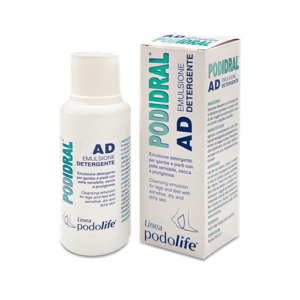
Cleansing is the first step in skin care; however careful balance is required. Emulsified formulations with physiological pH, gentle cleansing base and lipid components effectively remove impurities while preserving the skin’s natural protective barrier.
Ingredients with antioxidant properties (Vitamin E), soothing and repairing actions (Niacinamide and Panthenol) enhance daily hygiene, supporting protection and long-term skin wellness, especially for sensitive skin.
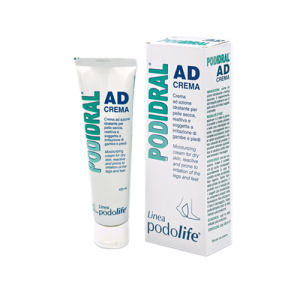
After cleansing, applying moisturizing and emollient creams containing Urea, Ceramides, Squalene, and Hyaluronic Acid is essential. Antioxidant vitamin complexes and re-epithelializing agents (Trans-traumatic acid) can further support natural epidermal renewal.
Adelmidrol: an exclusive component for irritated skin
In Spring, signs of localized irritation on the feet and legs (redness, itching, and flaking) may appear or worsen in predisposed individuals.
Adelmidrol, an exclusive component used in topical formulations, is highly recommended for these issues. It has demonstrated clear clinical efficacy in controlling skin reactivity and reducing overall discomfort, actively contributing to the stabilization and functional balance of the skin tissues.
“Professional” hydration: anti-dryness protocols and home-care continuity
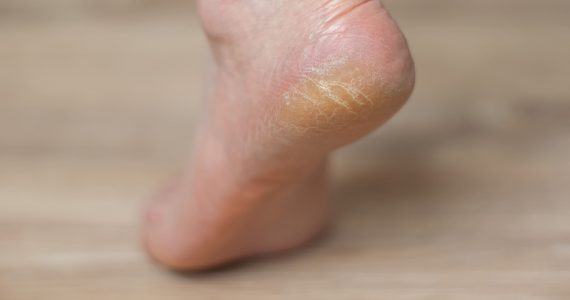
Several factors can actively induce dehydration and skin dryness during the warmer seasons. These include more frequent washing with aggressive cleansers, prolonged sun exposure, and changes in sweating. The risk is even higher in the presence of predisposing factors such as natural aging or underlying metabolic diseases.
The professional intervention of a Podiatrist is crucial to evaluate the specific degree of xerosis. He can early on manage the condition during a clinic session by applying specific formulations designed to deeply hydrate the skin and promote tissue restructuring.
Continuity of care through a daily home routine is essential to maintain these professional results.
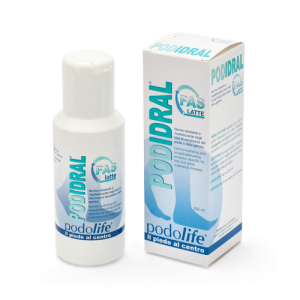
- Optimal textures. Choosing fluid, delicate textures, such as a hydrating milk, facilitates a smooth, uniform application. This contributes to an immediate comfort sensation with no heavy or greasy residue.
- Key ingredients. The strategic combination of biolipidic complexes, emollients, and restructuring agents effectively restores softness and elasticity to dry, highly sensitive skin.